
Whose Branding Is This?
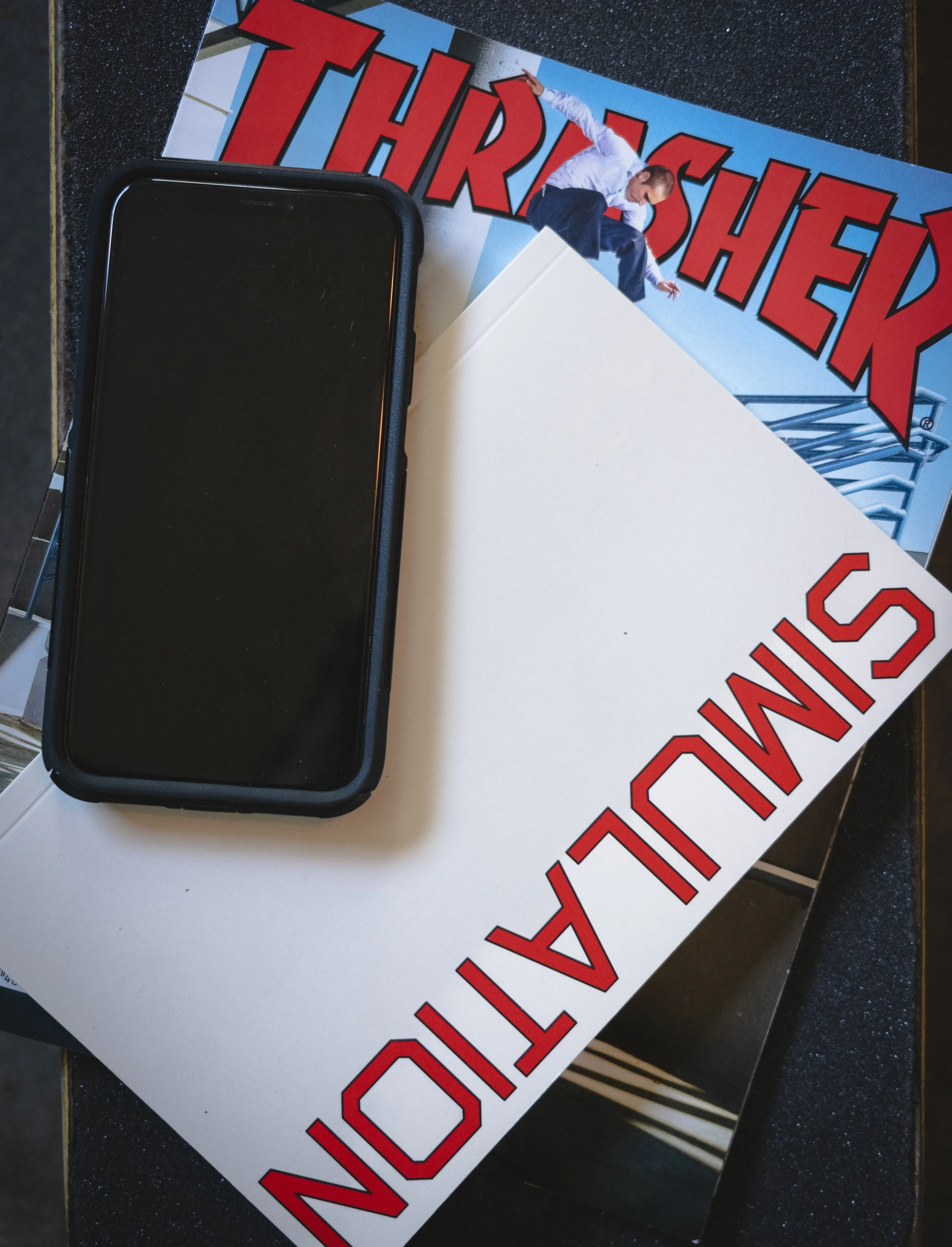
Late to the party, I know, but with Dylan Jaeb’s move to Quasi and accompanying finely curated ‘Debut’ video part, there were several articles and endless online chatter. Running the gamut from his clothing style, trick & spot selection to growing up on the internet under the skate world’s watchful eye.
Branding is the throughline, and since reading, I can’t stop thinking about who is responsible for the branding. Is it the skater, or the brand? Has it always been this way, or did social media tip the scales towards the rider carrying the load, with brands ready to reap the rewards?
First off, talking about personal branding, rider marketability, and social followers in terms of skating feels gross. Always will. We’re artists who care deeply about our culture, the message boards and shit-talking it takes to preserve it, and whatever other highfalutin hill you want to die on. Let’s face it, business is business, and we all worship this one.
We love when brands have an identifiable aesthetic and cohesive brand narrative, but if a brand pushes it onto a rider by buying them clothes or recommending tricks, it’s gone too far.
If brands are too tied to a specific style of skating or trend, they’re pigeonholed and can’t escape themselves. Their peaks are high, but time passes them by if the narrative or color tint doesn’t evolve.
New team riders are the most common tool for instigating brand evolution, or as Quasi put it, a ‘Hard Reset’. If the rider is top-tier, they can shift the perception of the whole brand. Going out on a limb, but guessing Quasi board sales saw a decent spike in May.
So, back to the original question, whose branding is it? Does the rider adapt to fit the brand, or does the brand work to create the space to build a brand around riders starting at an early age?
Anthony Pappalardo of Artless cited Ethan Fowler’s style evolution from Toy Machine to Stereo as a comparable example, both in skating and personal style. Ethan transforming from standard So-Cal schoolyards to jazz listening, cardigan-wearing, city-living up north.
Is any of this personal branding shit truly thought out, or are we dissecting the simple truths of growing up and maturing through the lens of skateboard marketing?
Growing up is where things get uncomfortable. To have heroes, you need a journey. For many of the move-the-needle pros of their time - Dylan, Kader, Mariano, to name a few - the journey and limelight started relatively young.
It’s nothing new. Kids like kids. They see themselves in them and stay invested as their hero’s story grows alongside their own.
A brand is nothing more than a story you sell. But when the story starts at fourteen or younger, whose responsibility is it to tell it?
Should a brand swoop in at the first sign of phenom potential to stake their claim or leave the kids to amass a huge following on their own, show they know a thing or two about personal brand building, and bring them on when those awkward teenage years are through?
The theoretical rat hole is deep, and in our new dawn of Olympic tracks, parent-led social accounts, and hand-holding handrail slams, we’re entering more uncharted territory than ever before.
There has to be something pure that endures. Dylan’s quote is a reminder worth holding onto: “I was up at midnight at one point, and Chad was doing the ramp slow-mos. I mean the fact that the owner is doing the graphics and doing the ramp slow-mos, dude, you’re in good hands.”
A brand’s job is to bring out the best in what’s already there.